Standardized environmental assessment methodology
ISO 14040 · ISO 14044
ISO 14025 · UNE EN 15804
Life Cycle Assessment reveals the environmental footprint of our products, in order to reduce the impact of urban design and build more responsible cities.
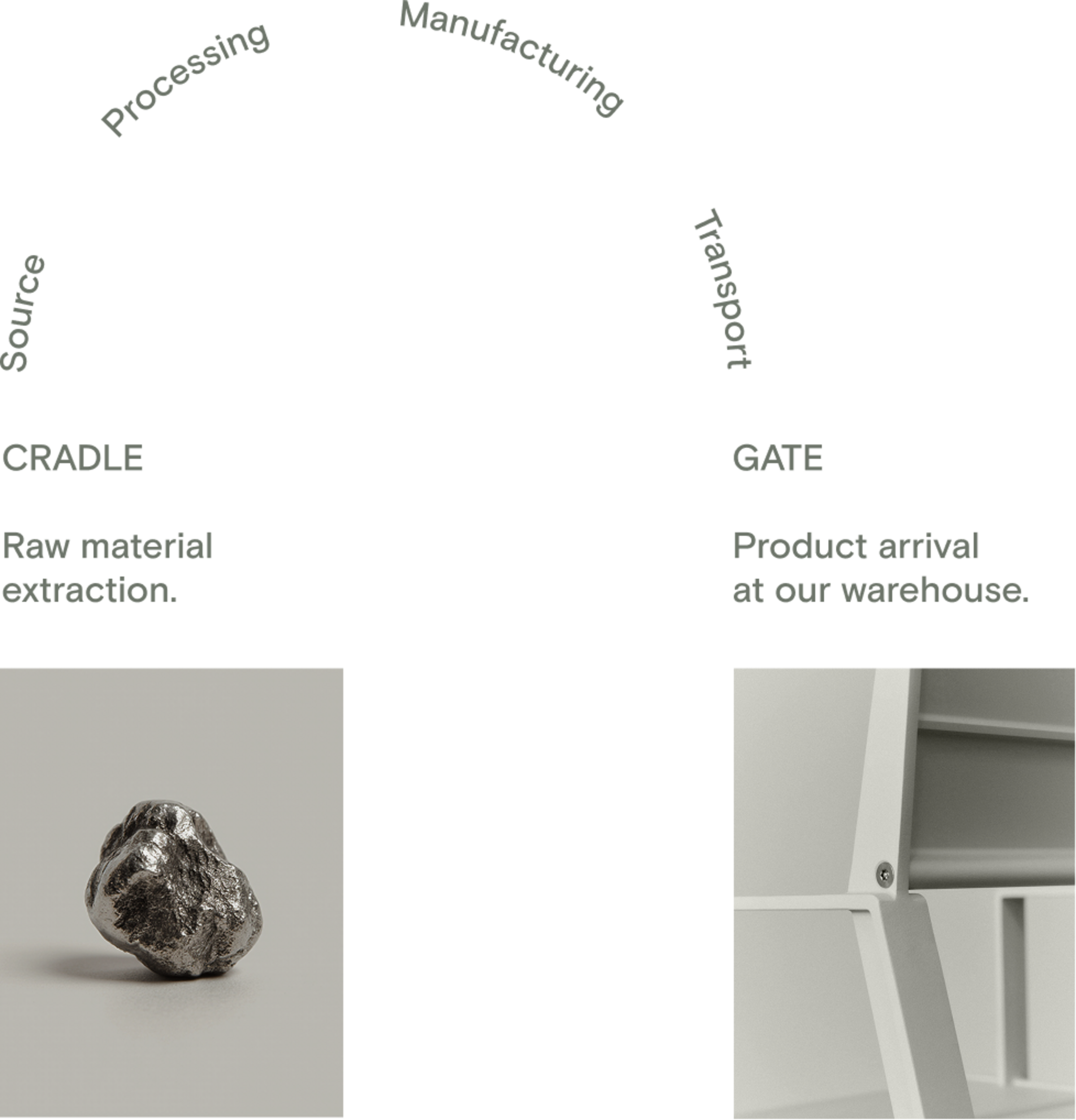
Complete product traceability
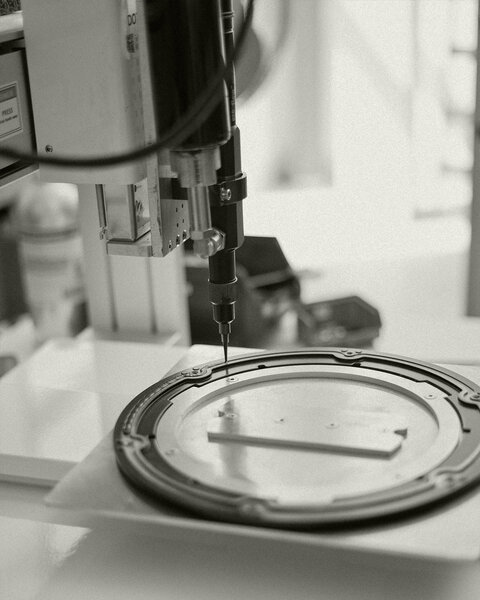
We identify the origin, materials, processes, manufacturing, and transportation to build a transparent database, from cradle to door.
Different categories of environmental impact are analysed.
The analysis is conducted by an independent entity, ensuring objectivity, technical rigor, and comparability of results.
Carbon footprint
Ozone layer impact
Soil impact
Mineral consumption
Water use
Acidification
Non-renewable energy use
METHODOLOGY
1.
Acidification
Method and unit: EF v3.1 | AccumulatedExceedance (mol H+-Eq)
2.
Climate Change
Method and unit: EF v3.1 | GWP100 (kgCO₂-Eq)
3.
Climate Change – No Biogenic
Method and unit: IPCC 2021 | GWP100 (kgCO₂-Eq)
4.
Land Use
Method and unit: EF v3.1 | Soil Quality Index(Dimensionless)
5.
Material Resources: Metals/Minerals
Method and unit: EF v3.1 | Abiotic DepletionPotential: Elements (kg Sb-Eq)
6.
Ozone Depletion Potential
Method and unit: EF v3.1 | Ozone DepletionPotential (kg CFC-11-Eq)
7.
Water Scarcity
Method and unit: EF v3.1 | User DeprivationPotential (m³ world-Eq deprived)
8.
Net use of fresh water
Method and unit: EN15804 | Inventory ofResource Use Indicators (m³)
9.
Energy Resources: Non-renewable
Method and unit: EF v3.1 | Abiotic DepletionPotential: Fossil fuels (MJ)
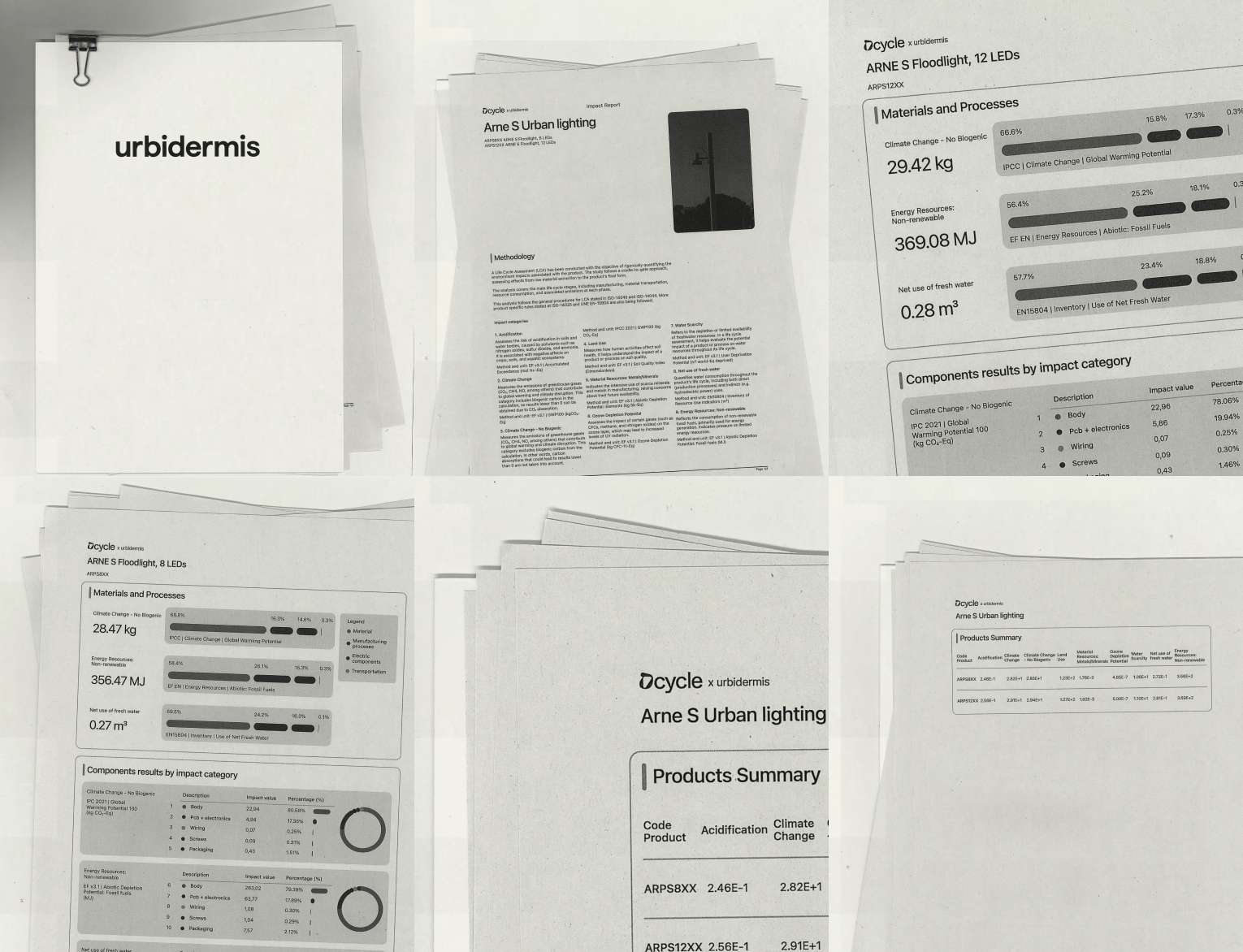
- Code Product
- Acidification
- Climate Change
- Climate Change – No Biogenic
- Land Use
- Material Resources: Metals/Minerals
- Ozone Depletion Potential
- Water Scarcity
- Net use of fresh water
- Energy Resources: Non-renewable
- ARPS8XX
- 2.41E+3
- 1.86E+2
- 1.88E+2
- 7.19E+2
- 1.68E-3
- 2.87E-6
- 8.15E+1
- 2.08E+0
- 2.08E+0
- ARPS12XX
- 2.56E-1
- 2.91E+1
- 2.94E+1
- 1.27E+2
- 1.92E-3
- 5.00E-7
- 1.10E+1
- 2.81E-1
- 3.69E+2
- ARPS01
- 1.60E-2
- 2.77E+0
- 2.75E+0
- 1.94E+1
- 7.67E-5
- 3.76E-8
- 1.34E+0
- 3.17E-2
- 3.87E+1
- ARPS02S
- 2.92E-2
- 4.91E+0
- 4.91E+0
- 3.36E+1
- 1.63E-4
- 9.56E-8
- 2.45E+0
- 7.10E-2
- 7.35E+1
- ARPS02L
- 7.19E-2
- 1.33E+1
- 1.35E+1
- 9.34E+1
- 2.67E-4
- 2.21E-7
- 8.10E+0
- 2.01E-1
- 2.05E+2
- ARFS11P
- 5.23E-1
- -1.53E+3
- 1.13E+2
- 1.20E+5
- 6.40E-3
- 2.33E-6
- 5.02E+1
- 1.10E+0
- 1.40E+3
- ARFS21P
- 5.60E-1
- -1.52E+3
- 1.20E+2
- 1.20E+5
- 7.33E-3
- 2.49E-6
- 5.45E+1
- 1.19E+0
- 1.49E+3
- ARFS22P
- 5.60E-1
- -1.52E+3
- 1.20E+2
- 1.20E+5
- 7.33E-3
- 2.49E-6
- 5.45E+1
- 1.19E+0
- 1.49E+3
- ARFS31P
- 6.32E-1
- -1.51E+3
- 1.35E+2
- 1.20E+5
- 8.59E-3
- 2.80E-6
- 6.27E+1
- 1.37E+0
- 1.67E+3
- ARFS32P
- 6.32E-1
- -1.51E+3
- 1.35E+2
- 1.20E+5
- 8.59E-3
- 2.80E-6
- 6.27E+1
- 1.37E+0
- 1.67E+3
- ARFS41P
- 7.06E-1
- -1.49E+3
- 1.51E+2
- 1.20E+5
- 9.85E-3
- 3.14E-6
- 7.14E+1
- 1.56E+0
- 1.86E+3
Relevant data to facilitate informed decisions
Continuous improvement
Reviewing the data allows us to identify opportunities for improvement in the products in our catalog.
Traceability and transparency
Improving the traceability of our products facilitates honest and transparent communication.
Innovation and development
The insights provided by the Life Cycle Analysis define the development of new products.
If you want to design urban spaces with less impact, you are in the right place.
Compare with criteria
Compare products based on their environmental impact in the project.
Comply with regulations
Review and ensure compliance with local and national regulations at all stages of the project.
Justify your decisions
Add impact requirements to your project and justify design decisions beyond aesthetics.
Understanding the impact of each decision allows us all to move towards a more responsible design.
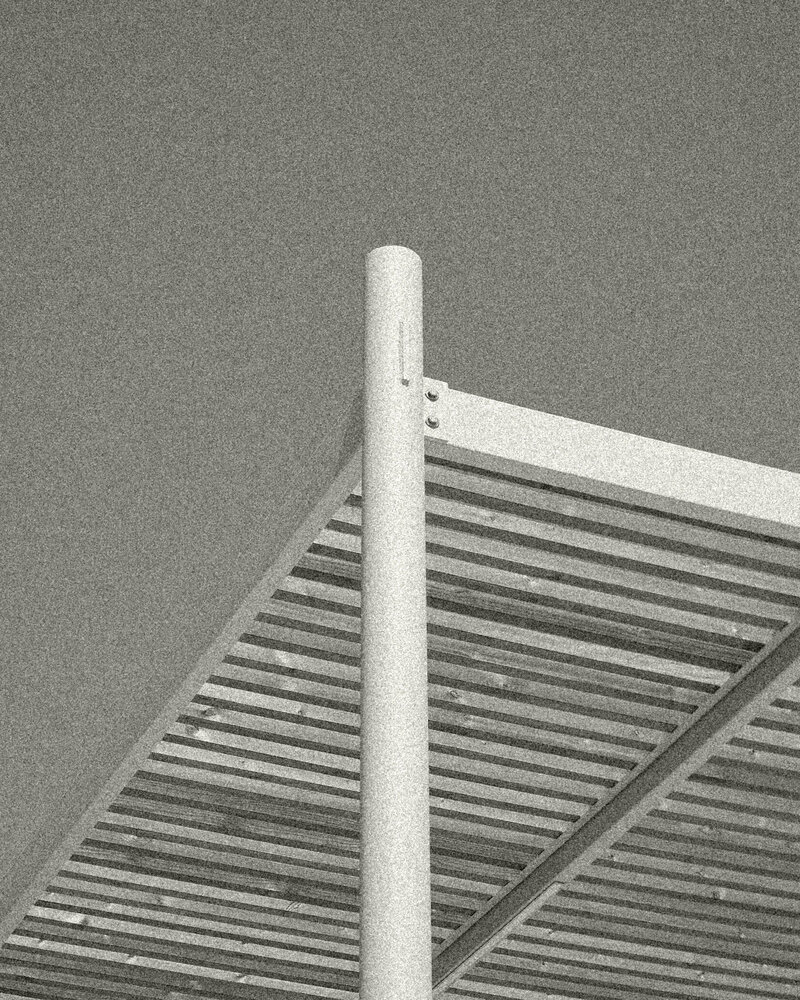
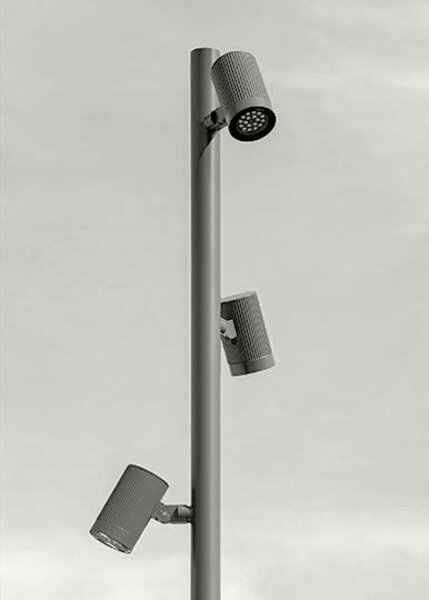
Lower consumption of mineral resources
Incorporating up to 35% recycled steel in columns reduces raw material extraction and lowers the environmental impact.
Minimal transport impact thanks to a local supplier network
Up to 89% of suppliers are local (<200 km)
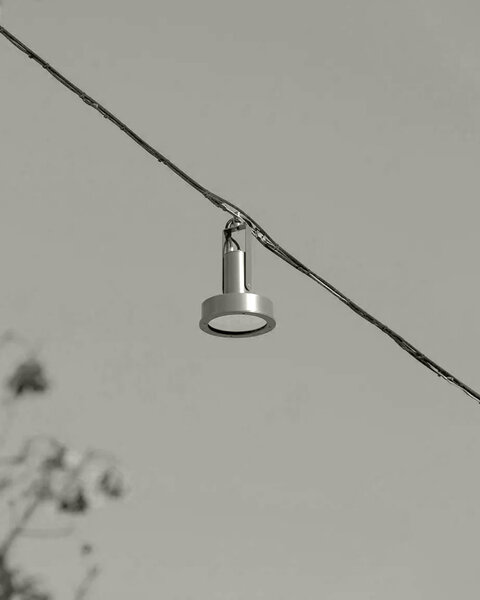
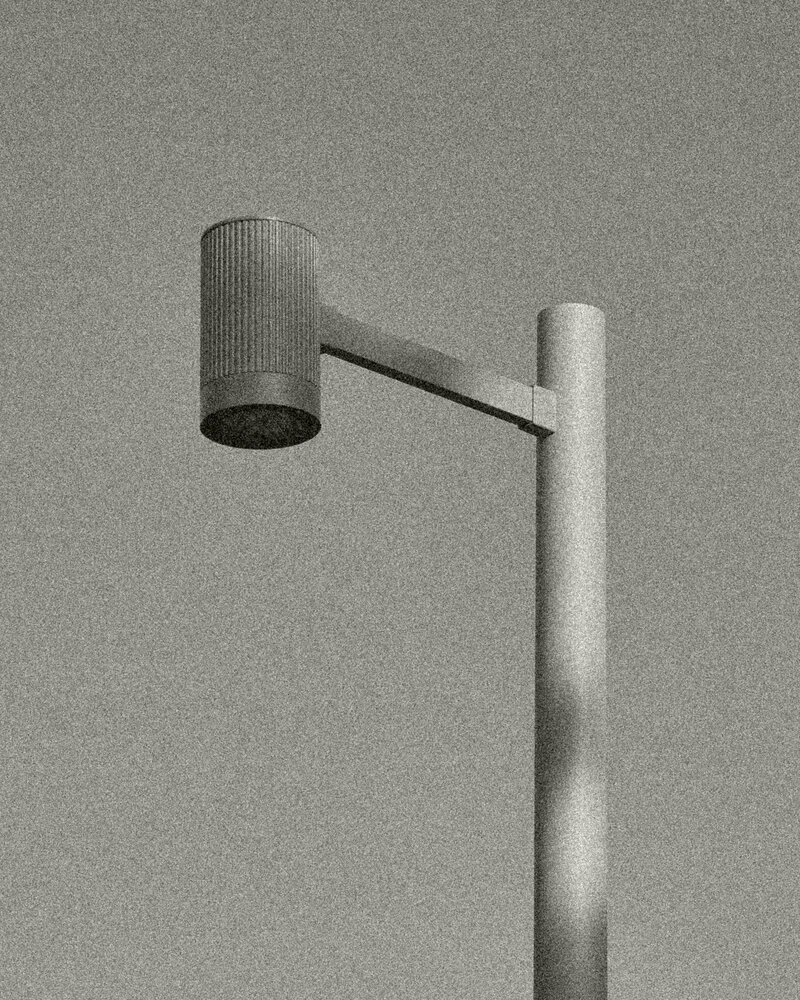
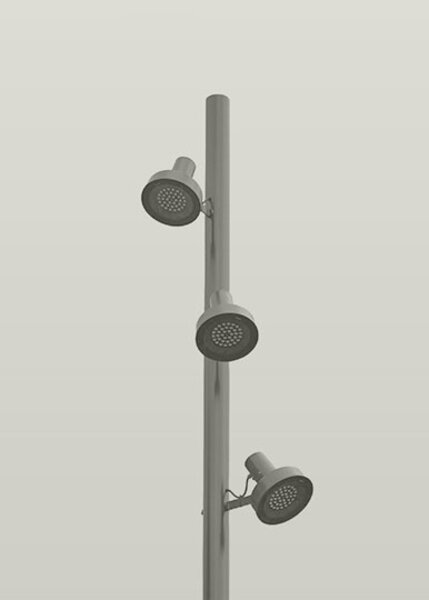
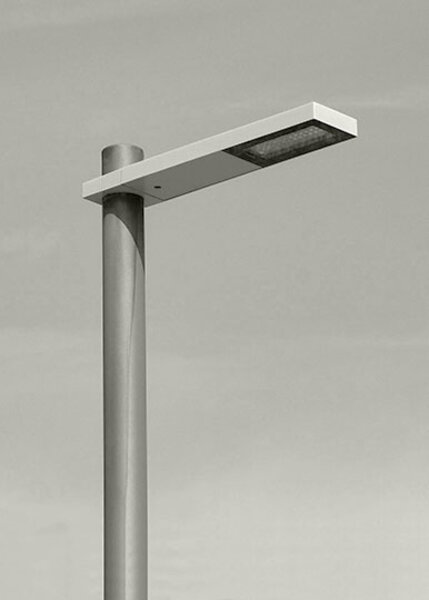
Estimated CO₂ reduction of up to -6.7 kg per luminaire each year
Updating LED modules reduces electricity consumption by 6–12%, while preserving the light character and the product’s durability.
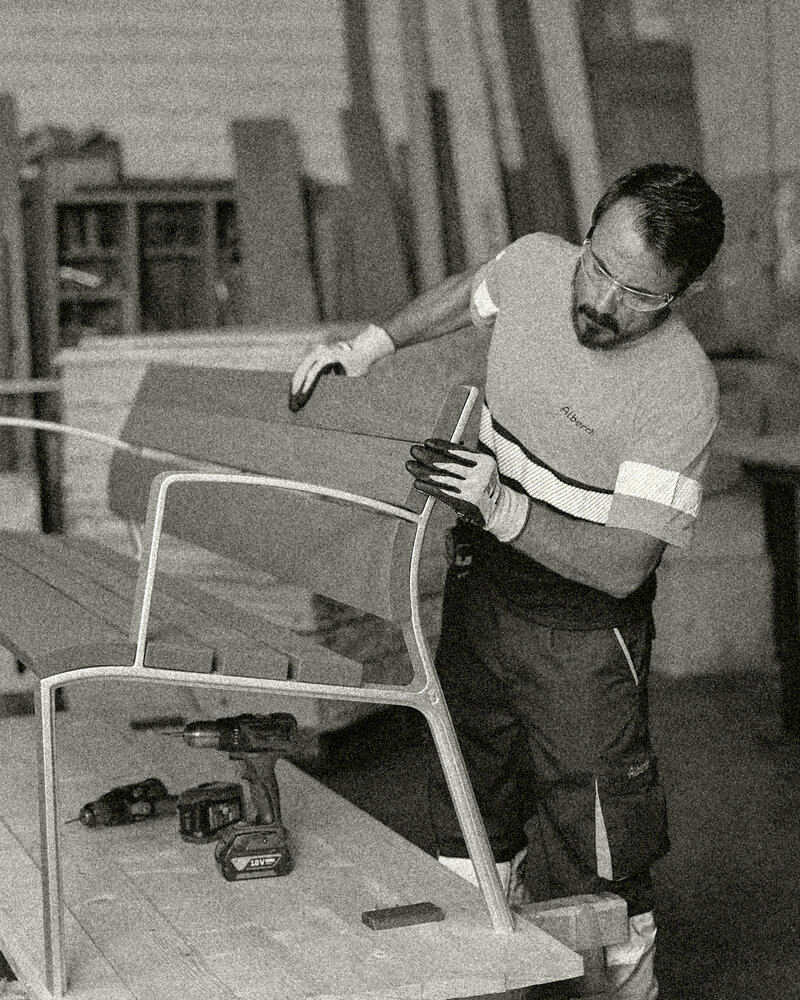
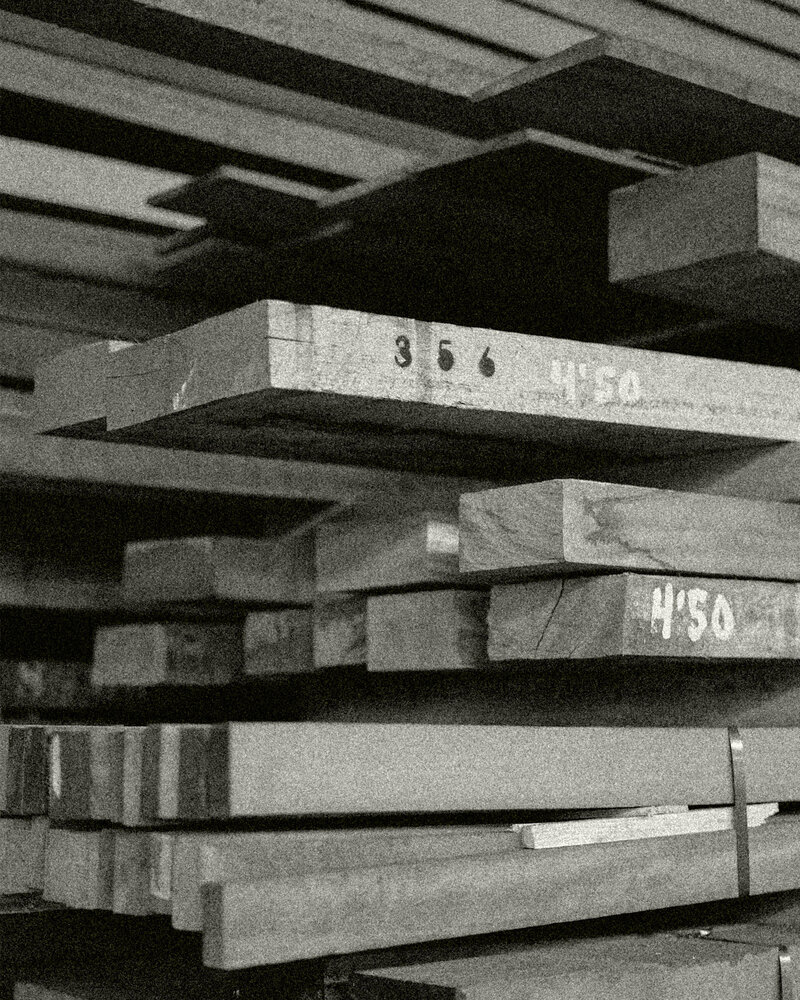
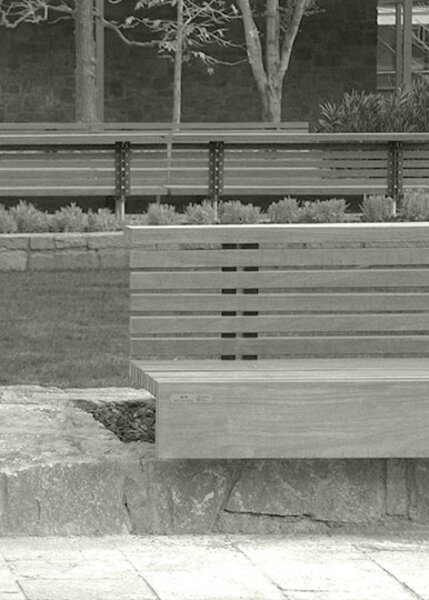
100% certified and traceable wood
The wood comes from responsibly managed forests, ensuring the conservation of forest ecosystems and a high standard of responsibility.
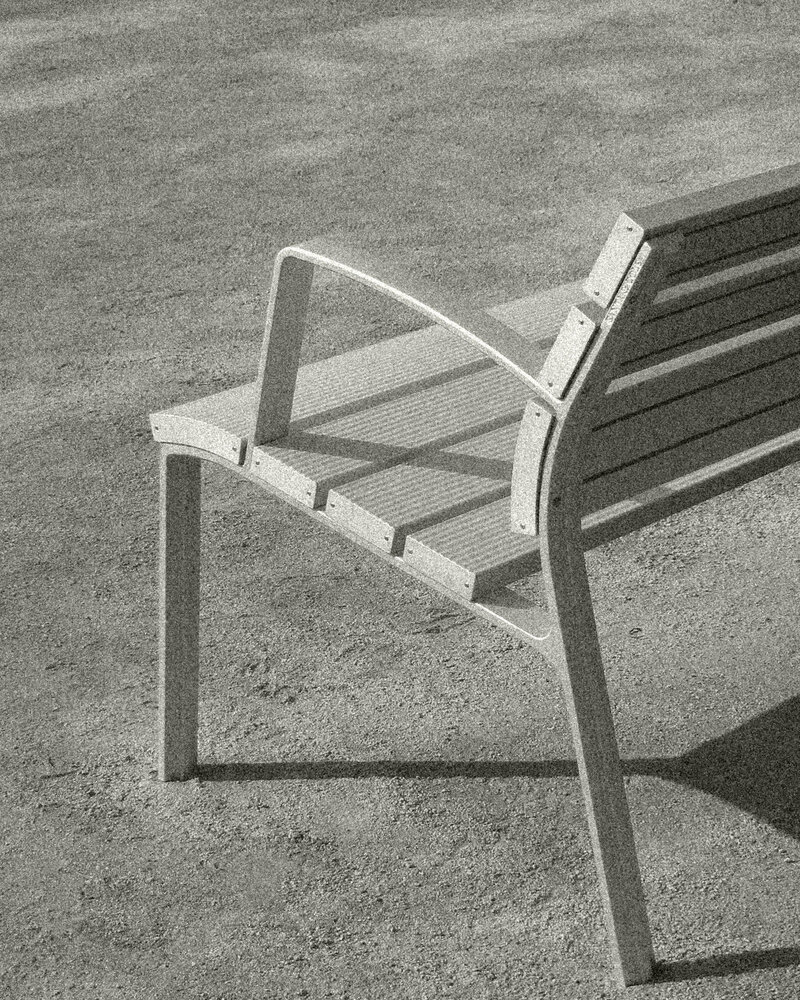
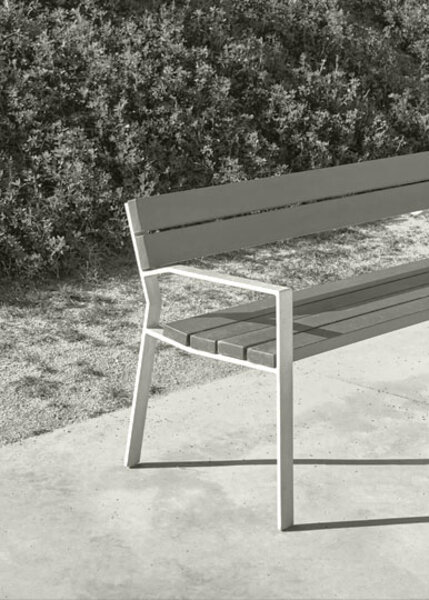
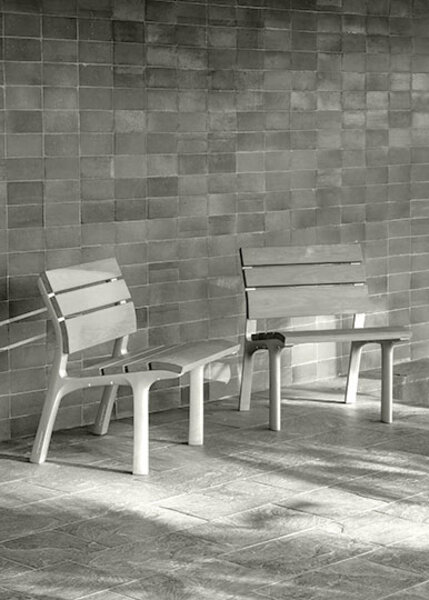
Estimated reduction of -70% in CO₂ emissions in product manufacturing
The new aluminium alloy incorporates at least 75% post-consumer recycled material, significantly reducing the environmental impact of manufacturing.
Explore the LCA's
Climate Change
No Biogenic
00 kg
Energy Resources:
Non-renewable
00 MJ
Net use
of fresh water
00 m³
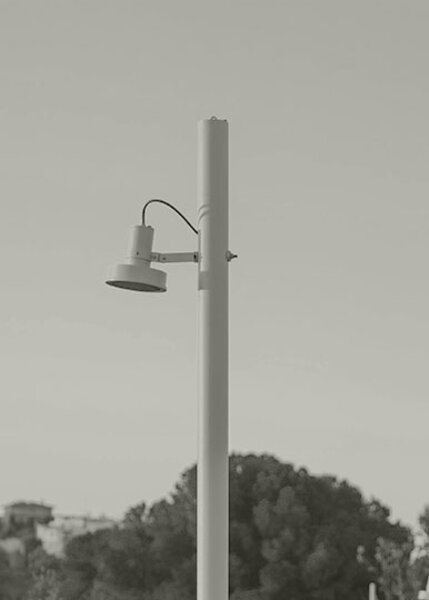
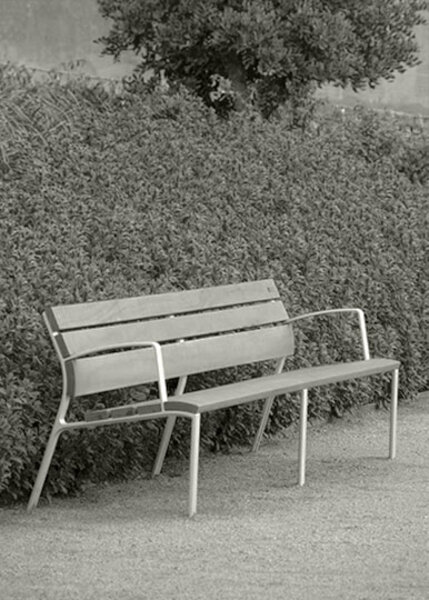
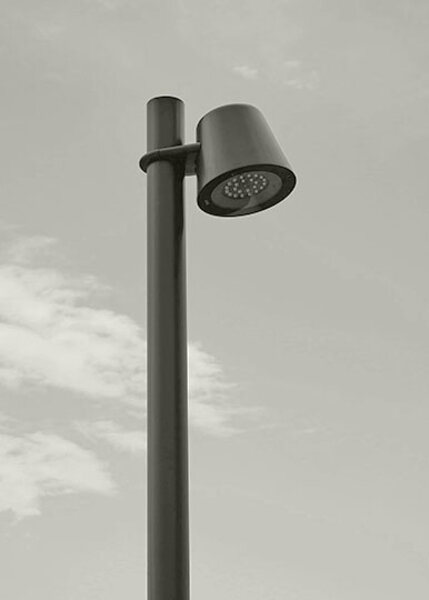
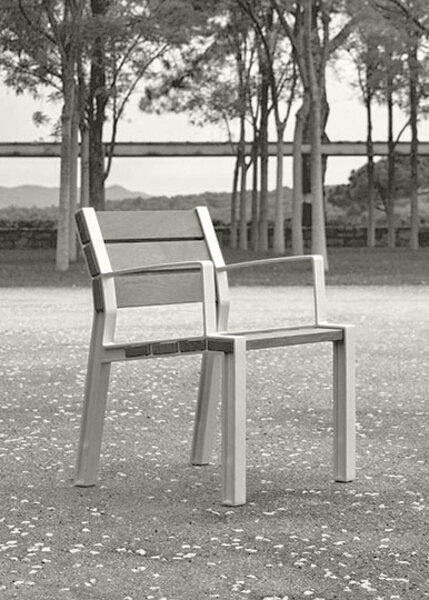
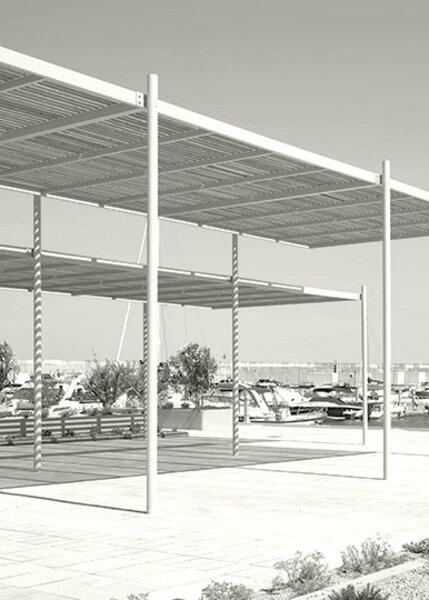
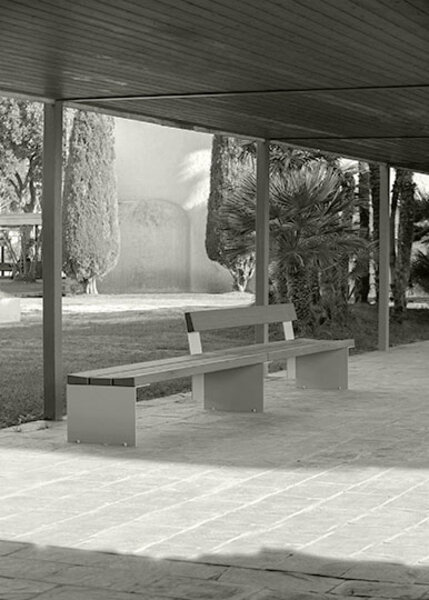
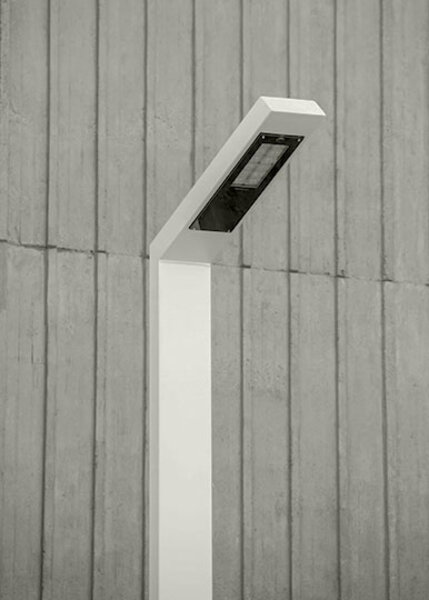
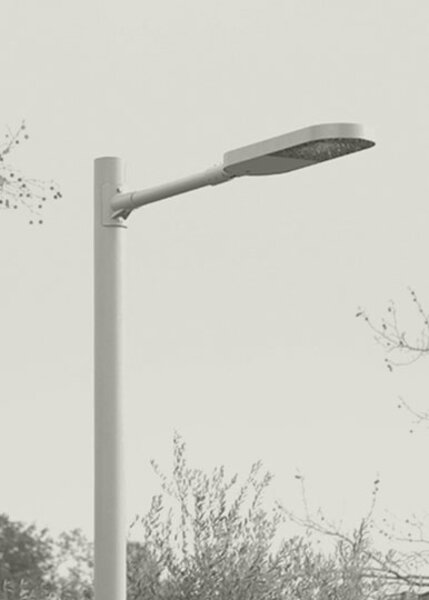
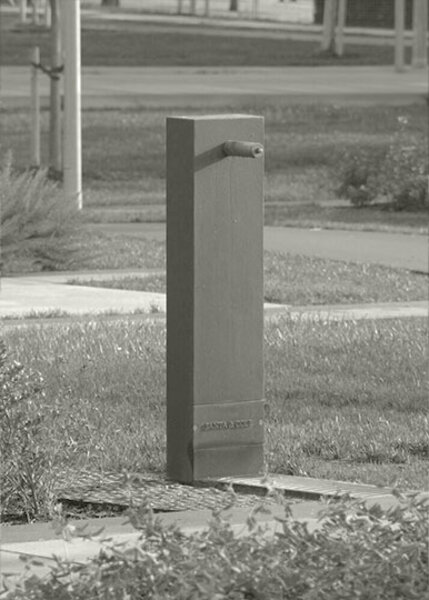
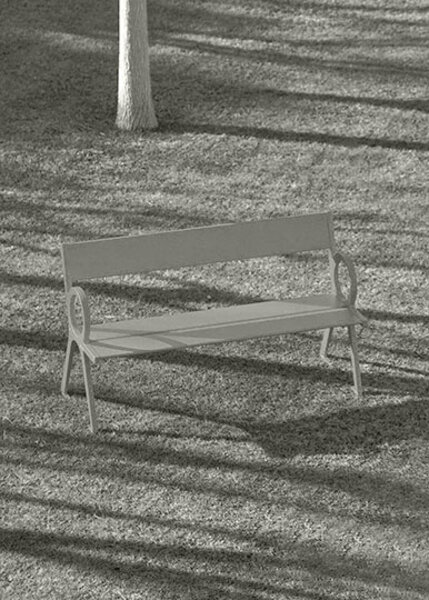
You can consult the Life Cycle Assessment (LCA) of each product directly in its profile, in the environmental impact section.
We make the invisible visible in order to reduce the impact of urban design and build more responsible cities.
We help you incorporate environmental impact criteria into urban design, compare products, and base decisions on verifiable data.